
Facebook Ads vs Google Ads: Complete Comparison Guide 2026
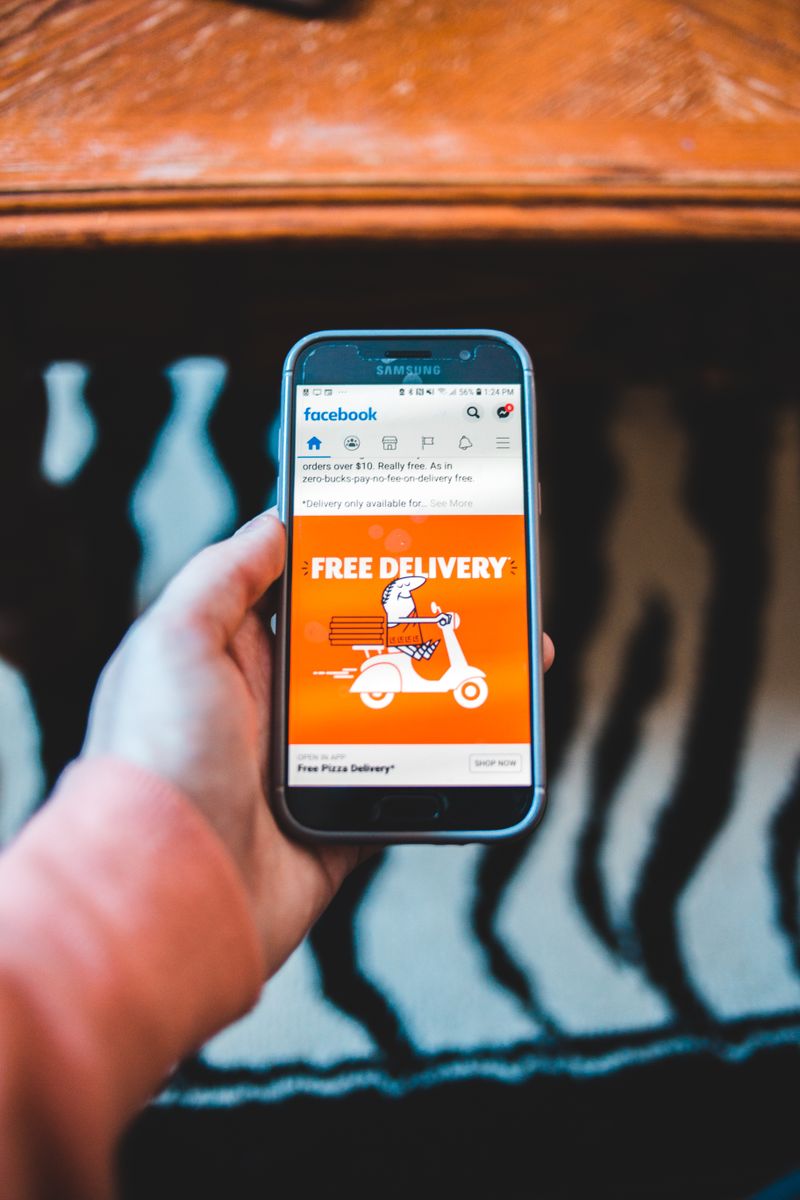
Two giants of online advertising - but they work very differently · Photo: Pexels
Over $500 billion is spent on digital advertising every year. Understanding where your budget goes - and why - is the difference between profit and wasted spend.
The Core Difference Explained Simply
Facebook Ads and Google Ads are the two largest digital advertising platforms, but they target customers differently: Google Ads targets active search intent, Facebook Ads targets audiences by interest and behavior. The right pick depends on your business and budget.
Here's the simplest way to understand it:
- Google Ads = fishing with a net in a river where fish are swimming toward you. Someone searches "emergency plumber London" - your ad appears. They wanted you.
- Facebook Ads = fishing with bait in a pond. You throw out a visually appealing ad to people who match your target (age, interest, behaviour). They weren't looking - but they noticed.
Google captures existing demand. Facebook creates new demand.
How Google Ads Work
Google Ads are keyword-based. You pay to appear when someone types a specific search query into Google.
Example: A dentist in Chicago bids on the keyword "emergency dentist Chicago". Every time someone searches that phrase, the dentist's ad appears at the top of results. The dentist only pays when someone clicks.
This is called pay-per-click (PPC) or search intent advertising. The person is already looking for what you sell - you just need to be visible at the right moment.
How Facebook Ads Work
Facebook Ads (now called Meta Ads) are audience-based. You describe your ideal customer and Facebook finds them - even if they've never searched for your product.
Example: A gym in New York targets men aged 25–40, living within 5 miles, interested in fitness and healthy eating, who haven't been active in 3 months. A carousel ad appears in their feed showing the gym's transformation results.
This is called interruption advertising or demand generation. You're planting a seed - they might buy now, or they might remember you later.
Side-by-Side Comparison
| Feature | Google Ads | Facebook Ads |
|---|---|---|
| Targeting method | Keywords (search intent) | Demographics, interests, behaviour |
| Ad format | Text + Shopping + Display | Images, video, carousel, stories |
| Average CPC (2026) | $1–$10 (varies by industry) | $0.50–$2 |
| Best for | Service businesses, local search | E-commerce, brand awareness |
| Purchase intent | High (actively searching) | Low to medium (browsing) |
| Creative requirements | Low (mostly text) | High (visual content needed) |
| Learning curve | Medium | Medium to High |
| Minimum budget | $5/day | $1/day |
When to Choose Google Ads
Google Ads work best when people are actively searching for your category:
- Best for: Dentists, plumbers, lawyers, accountants, pest control, locksmiths - any service where people search in moments of urgent need
- Best for: Software tools, B2B services, and anything people research before buying
- Best for: Local businesses targeting people nearby searching for what you offer
When to Choose Facebook Ads
Facebook Ads work best for visual products and impulse decisions:
- Best for: Fashion, food, beauty, home decor, fitness products - anything people buy because it looks appealing
- Best for: Brand awareness campaigns and retargeting people who visited your website
- Best for: Event promotion, app installs, and growing a community
- Best for: Products nobody knows to search for yet (new categories)
Advertising Costs in 2026
Both platforms use auction-based pricing - you bid against competitors for ad placement.
Google Ads average cost-per-click varies wildly: legal and insurance keywords can cost $50+ per click, while local restaurant keywords might be $0.30. The average across all industries is around $2–4 per click.
Facebook Ads are generally cheaper per click at $0.50–$2 on average. However, because users aren't actively searching, conversion rates can be lower - meaning more clicks needed to make a sale.
The question isn't which is cheaper - it's which delivers better cost per acquisition (CPA) for your specific business.
Tracking cost per acquisition (CPA) across platforms is the only metric that truly matters · Photo: Pexels
Ad Creative: What Actually Works on Each Platform
Because the two platforms capture people at different moments, the creative that works on one often flops on the other.
On Google Ads, creative means copywriting more than visuals - your headline and description need to match the searcher's exact intent within the first few words. A dentist searching "emergency tooth pain relief" wants to see "Same-Day Emergency Dentist" in the headline, not a clever tagline. Ad extensions (call buttons, location, sitelinks) matter more than most advertisers realise - they take up more screen space and lift click-through rate noticeably.
On Facebook Ads, the first 1-2 seconds of a video or the thumbnail of an image ad decides whether someone stops scrolling. Native-feeling content - a real customer testimonial, a behind-the-scenes clip, an honest before/after - consistently outperforms polished studio ads. Text overlays should be minimal; Meta's algorithm and audience both respond better to visuals that don't look like an ad.
A practical rule: budget roughly 20% of your Google Ads effort on copywriting and testing headlines, and roughly 60% of your Facebook Ads effort on producing and testing different creative formats - image vs video vs carousel.
Common Mistakes When Choosing Between the Two
Most businesses don't fail because they picked the "wrong" platform - they fail because of how they set it up. Watch for these three mistakes.
- Judging success by clicks instead of cost per acquisition. A campaign with a low CPC but zero sales is worse than one with a high CPC and a steady stream of paying customers. Always track CPA, not just CPC.
- Sending traffic to a generic homepage. Both platforms work far better when the ad click lands on a page built for that specific offer, not your general homepage. A dedicated landing page can double conversion rates on the same ad spend.
- Giving up after one week. Both Google's and Facebook's algorithms need a "learning phase" - typically 7-14 days and 50 conversions - before performance stabilises. Turning campaigns off too early wastes the learning data you already paid for.
A Simple 90-Day Testing Framework
If you genuinely don't know which platform fits your business, here's a low-risk way to find out without guessing.
Days 1-30: Test Google Ads alone
Run a small budget ($10-20/day) on 3-5 tightly targeted, high-intent keywords. Track cost per lead and cost per sale.
Days 31-60: Test Facebook Ads alone
Pause Google, run the same budget on Facebook with 2-3 audience variations. Compare CPA against your Google numbers from month one.
Days 61-90: Run both together
Reallocate budget toward whichever platform won, and use the other for retargeting or top-of-funnel awareness rather than dropping it entirely.
Running this test properly - with clean tracking, dedicated landing pages, and correctly configured conversion events - is where most in-house attempts go wrong. Our performance marketing service sets up and manages exactly this kind of structured testing, so the budget goes toward answers instead of guesswork.
The Verdict
See our full SEO guide for 2026 to complement your paid ads with organic traffic. For automation of your ad reporting, check out n8n vs Zapier. If you are using AI tools to manage your campaigns, see our guide on using Claude Console to automate ad copy generation and performance analysis.
References & Further Reading
Need Help Running Google or Facebook Ads?
At Mayank Digital Labs, we manage paid advertising campaigns that actually convert - not just impressions. We handle strategy, creatives, and optimisation so you get more customers for less spend.
No commitment. Just a 30-minute call to see how we can help.
Whether you are just starting to explore the difference between Facebook Ads and Google Ads or you are ready to run your first campaign, this Facebook Ads vs Google Ads 2026 comparison gives you everything you need. Both platforms offer unique strengths - the right choice depends on your business type, budget, and audience. Many successful businesses use both together for a complete paid advertising strategy.
Frequently Asked Questions
What is the difference between Facebook Ads and Google Ads?
Google Ads target people actively searching for something (pull marketing). Facebook Ads target people based on interests and behaviour while they scroll (push marketing). Google captures existing demand; Facebook creates new demand.
Which is cheaper - Facebook Ads or Google Ads?
Facebook Ads typically cost $0.50–$2 per click. Google Ads average $1–$10 per click depending on industry. Cheaper clicks don't always mean better ROI - it depends on your conversion rate and business type.
Should I use Facebook Ads or Google Ads for a small business?
Local service businesses (plumbers, dentists, lawyers) should start with Google Ads. Visual product businesses (clothing, food, beauty) perform better on Facebook and Instagram Ads. When in doubt, test both with a small budget first.
Can I run both Facebook Ads and Google Ads at the same time?
Yes - and many successful businesses do. Google captures people already searching; Facebook warms up cold audiences. Running both creates a full-funnel strategy that outperforms either platform alone.
Which platform gives better ROI - Facebook Ads or Google Ads?
ROI depends on your business type. Service businesses with high-intent customers typically see better ROI from Google Ads. E-commerce and visual brands often see stronger returns from Facebook Ads. Testing both with a small budget is the most reliable way to find your winner.