
Complete SEO Guide 2026: How to Rank #1 on Google (Step-by-Step)
SEO in 2026: the complete playbook from keyword research to page 1 rankings · Photo: Pexels
1. What Is SEO and Why It Matters in 2026
Paid ads stop the moment you stop spending. SEO, done right, keeps driving traffic for years. A well-ranked blog post written today can bring thousands of visitors per month for 3–5 years - without ongoing ad spend.
In 2026, Google's AI Overviews still cite sources. Being cited drives significant traffic even if you're not the #1 organic result. Structure content to give clear, direct answers and you appear in both traditional results and AI-generated answers - doubling exposure at zero extra cost.
Organic results: the positions SEO targets for free, long-term traffic · Photo: Pexels
SEO has four core pillars. Skip one and the whole structure weakens: Keyword Research → On-Page SEO → Technical SEO → Off-Page SEO. Each layer feeds the next. This guide walks through all of them.
2. Step 1: Keyword Research - The Foundation
Keyword research is identifying the exact words your target audience types into Google. Without it, you're writing content nobody is searching for.
| Type | Example | Monthly Volume | Difficulty | Intent |
|---|---|---|---|---|
| Head | SEO | 1M+ | Very High | Informational |
| Body | SEO guide 2026 | 10K–100K | Medium | Informational |
| Long-tail | how to do SEO for small business | 100–10K | Low | Navigational |
| Commercial | best SEO agency for ecommerce | Low-Med | Medium | Transactional |
Keyword Research Process
Seed Keyword Brainstorm
List 5–10 broad seed keywords. For a digital marketing agency: digital marketing, SEO services, Google Ads management.
Expand Using Free Tools
Use Google autocomplete, People Also Ask, Google Trends, and Ubersuggest to expand to 50–100 keyword ideas.
Analyse with Semrush or Ahrefs
Filter by: Keyword Difficulty <40, Monthly Volume >100 globally, positive CPC. These are your golden keywords.
Map Keywords to Pages
One primary keyword + 3–5 secondary per page. Never target the same keyword on two pages - this causes cannibalization.
3. Step 2: On-Page SEO - Optimizing Every Page
On-page SEO is everything you control directly: title tags, headings, content, images, and internal links. It tells Google what your page is about and why it deserves to rank.

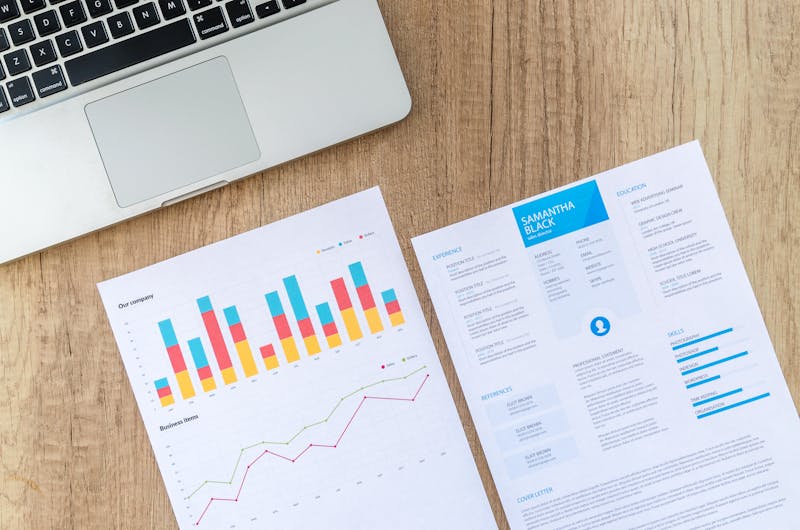
On-page SEO elements that Google reads, scores, and uses to determine relevance · Photo: Pexels
Title tag: Include primary keyword near the beginning, keep under 60 characters, format as Primary Keyword: Description | Brand.
| Tag | Usage | Keyword Strategy |
|---|---|---|
H1 | Page title: ONCE per page | Primary keyword |
H2 | Major sections | Secondary keywords |
H3 | Sub-sections | LSI / semantic keywords |
H4–H6 | Fine detail | Natural language only |
- Word count: 1,500–3,000+ words for competitive keywords
- Keyword density: 1–2% - use naturally, never stuff
- Readability: Short paragraphs, bullets, subheadings. Grade 8 reading level.
- E-E-A-T: Add author credentials, cite sources, show first-hand experience
4. Step 3: Technical SEO - Making Google Love Your Site
Technical SEO ensures crawlers can find, crawl, index, and understand your site. Great content fails to rank when bots can't access it properly.
XML Sitemap
Submit at yoursite.com/sitemap.xml via Google Search Console. Regenerate after publishing major new content. Use next-sitemap package for Next.js.
robots.txt
Block admin and login pages. Never block your important content. Place at yoursite.com/robots.txt.
HTTPS & SSL
Google uses HTTPS as a ranking signal. Vercel provides free SSL automatically - confirm your padlock is active.
Clean URL Structure
Use /blog/complete-seo-guide-2026 not /post?id=123. Lowercase, hyphen-separated, keyword-included.
Mobile-First Optimization
Google crawls your mobile version first. Use responsive design, touch targets ≥44px, 16px+ fonts. Test with Google's Mobile-Friendly Test.
Schema Markup
Use JSON-LD structured data for Article, FAQ, HowTo, and BreadcrumbList. Earns rich snippets in search - dramatically improves CTR. Also see our guide on using Claude Console to generate schema markup faster with AI.
5. Step 4: Off-Page SEO - Building Authority at Scale
Off-page SEO is everything outside your website that influences rankings. The most powerful signal: backlinks - Google treats them as votes of confidence.

High-quality backlinks from authoritative domains pass link equity and boost rankings · Photo: Pexels
| Link Source | Impact | How to Earn It |
|---|---|---|
| High-DA industry publication | Very High | Guest posting, expert quotes |
| Major news site (BBC, Forbes, etc.) | Very High | Digital PR, original data studies |
| Niche-relevant blog | High | Content outreach, partnerships |
| Industry directory | Medium | Submit to relevant directories |
| Bought links / link farms | Penalty risk | Never - white-hat only |
Proven Link Building Strategies
- Guest Blogging: Write high-value articles for reputable niche blogs
- HARO / Connectively: Get quoted in major publications as an industry expert
- Skyscraper Technique: Find top-ranking content, make something better, outreach to their backlinks
- Digital PR: Publish original research - journalists naturally link to original data
- Broken Link Building: Find broken links on authority sites, offer your content as replacement
6. Step 5: Local SEO - Dominate Your Market
For businesses serving a specific area, ranking in the Google Map Pack (top 3 local results) is often more valuable than ranking #1 organically.
Google Business Profile Optimization
- Claim and verify your Google Business Profile
- Fill every field: name, category, hours, photos, services, description
- Add 10+ high-quality photos of your location and team
- Post weekly updates using the Posts feature
- Respond to every review within 24 hours
- Maintain consistent NAP (Name, Address, Phone) everywhere
| Factor | Importance | Action |
|---|---|---|
| GBP Completeness | Critical | Fill 100% of profile fields |
| Review Volume & Sentiment | Critical | Ask every satisfied customer |
| Local Keywords on Website | High | Add city + service to page content and meta |
| NAP Consistency | High | Same info on every platform |
| Local Backlinks | High | Partner with local businesses and press |
| Local Citations | Medium | Yelp, Trustpilot, Yellow Pages, niche directories |
7. Step 6: Core Web Vitals - The Page Experience Signals
Google's Core Web Vitals are real-world performance metrics that directly influence rankings, measured on real users' devices.
| Metric | What It Measures | Target |
|---|---|---|
| LCP - Largest Contentful Paint | How quickly the largest visible element loads | < 2.5 seconds |
| INP - Interaction to Next Paint | How quickly the page responds to user interactions | < 200ms |
| CLS - Cumulative Layout Shift | Visual stability - how much content unexpectedly moves | < 0.1 |
How to Improve Core Web Vitals
- LCP: WebP images with explicit dimensions, preload hero image, use CDN, reduce TTFB
- INP: Minimize JS execution, break up long tasks, defer non-critical scripts
- CLS: Always set
widthandheighton every image and video - Measure: Google PageSpeed Insights, Lighthouse, Search Console CWV report
8. Step 7: AI-Powered SEO Strategies for 2026
Google's AI Overviews have changed SEO's landscape. Here's how to adapt and win.
- Answer-first structure: Put the direct answer in the first 100 words, then expand
- FAQ sections with schema: Every article needs a FAQ with FAQPage structured data
- E-E-A-T optimization: Author credentials, case studies, real first-hand experience
- Entity optimization: Consistent brand mentions across the web build your Google entity profile
- Video + text combo: YouTube videos embedded in articles rank in video search AND AI Overview answers
If you're using AI tools to speed up content production, read our guide on how to use Claude Console - it shows you how to generate SEO-optimised outlines, FAQ schemas, and meta descriptions at scale without losing quality.
9. SEO Roadmap: Month-by-Month Action Plan
| Month | Focus | Key Tasks |
|---|---|---|
| Month 1 | Foundation | Site audit, fix technical SEO, keyword mapping, GSC setup, hreflang tags |
| Month 2 | Content | 4 blog posts, on-page optimization, internal linking, schema markup |
| Month 3 | Authority | 4 more blogs, guest posts, HARO pitches, link outreach |
| Month 4 | Optimize | Update existing posts, CWV fixes, 4 more blogs, backlink audit |
| Month 5 | Scale | Topic cluster, more backlinks, video SEO, global citations |
| Month 6 | Results | Page 1 rankings for long-tails, 500+ monthly visitors, inbound leads |
10. Essential SEO Tools 2026
11. Ultimate SEO Checklist for 2026
Click each item to check it off as you complete it.
Keyword Research
- Primary keyword identified with global search volume + difficulty data
- 3–5 secondary / semantic keywords selected
- Search intent confirmed (informational / commercial / transactional)
- Keyword not already targeted by another page (no cannibalization)
- Country-specific search volumes checked in Semrush/Ahrefs
On-Page SEO
- Title tag includes primary keyword, under 60 characters
- Meta description written, under 160 characters, includes keyword + CTA
- H1 contains primary keyword (used only once)
- H2/H3 include secondary keywords naturally
- First 100 words contain primary keyword
- Content is 1,500+ words for competitive keywords
- All images have descriptive alt text with explicit dimensions
- URL slug is short, lowercase, hyphenated, keyword-included
- 3+ internal links and 2–3 external links to authoritative sources
- Schema markup added (Article, FAQ, HowTo, BreadcrumbList)
Technical SEO
- Page loads under 3 seconds on mobile
- LCP < 2.5s · INP < 200ms · CLS < 0.1
- HTTPS enabled with valid SSL
- Page indexed in Google Search Console
- Mobile-friendly test passed
- No broken links on the page
- XML sitemap updated and resubmitted
References & Further Reading
Need Help Ranking #1 on Google?
At Mayank Digital Labs, we help businesses worldwide grow faster with expert SEO, AI automation, web development, and digital marketing services. Whether you're a startup or an established brand - we build systems that get results.
No commitment. Just a 30-minute call to see how we can help.
Whether you're working through this SEO guide 2026 for the first time or revisiting it to sharpen your strategy, the fundamentals remain the same: great content, clean technical setup, and authoritative links. Once you master how to rank on Google, you can scale your keyword research, on-page optimization, and link building into a compounding growth engine that pays dividends for years.
Frequently Asked Questions
What is SEO and why does it matter in 2026?
SEO (Search Engine Optimization) is improving your website so Google ranks it higher in search results. In 2026, over 90% of online experiences start with a search engine - ranking on page 1 means free, consistent traffic without paying for ads every month.
How long does SEO take to show results?
Most websites see initial results within 3–6 months for low-competition keywords. High-competition keywords can take 6–12 months. Publishing consistent content and building backlinks accelerates the timeline significantly.
Is SEO free to do?
The core of SEO is free - you don't pay Google to rank. However, investing in tools (Ahrefs, SEMrush), content writing, and link building requires time and budget. Start free with Google Search Console and Google Analytics.
What are the most important SEO ranking factors in 2026?
Google's top signals are: quality content matching search intent, backlinks from authoritative sites, Core Web Vitals (page speed), mobile-friendliness, and E-E-A-T (Experience, Expertise, Authoritativeness, Trustworthiness).
What is the difference between on-page and off-page SEO?
On-page SEO is everything on your own site: titles, content, keywords, and page speed. Off-page SEO is outside your site: mainly backlinks from other websites. Both are required to rank consistently on page 1.