
AI Nutrition Coach 2026: Your Phone Camera Now Knows What You're Eating
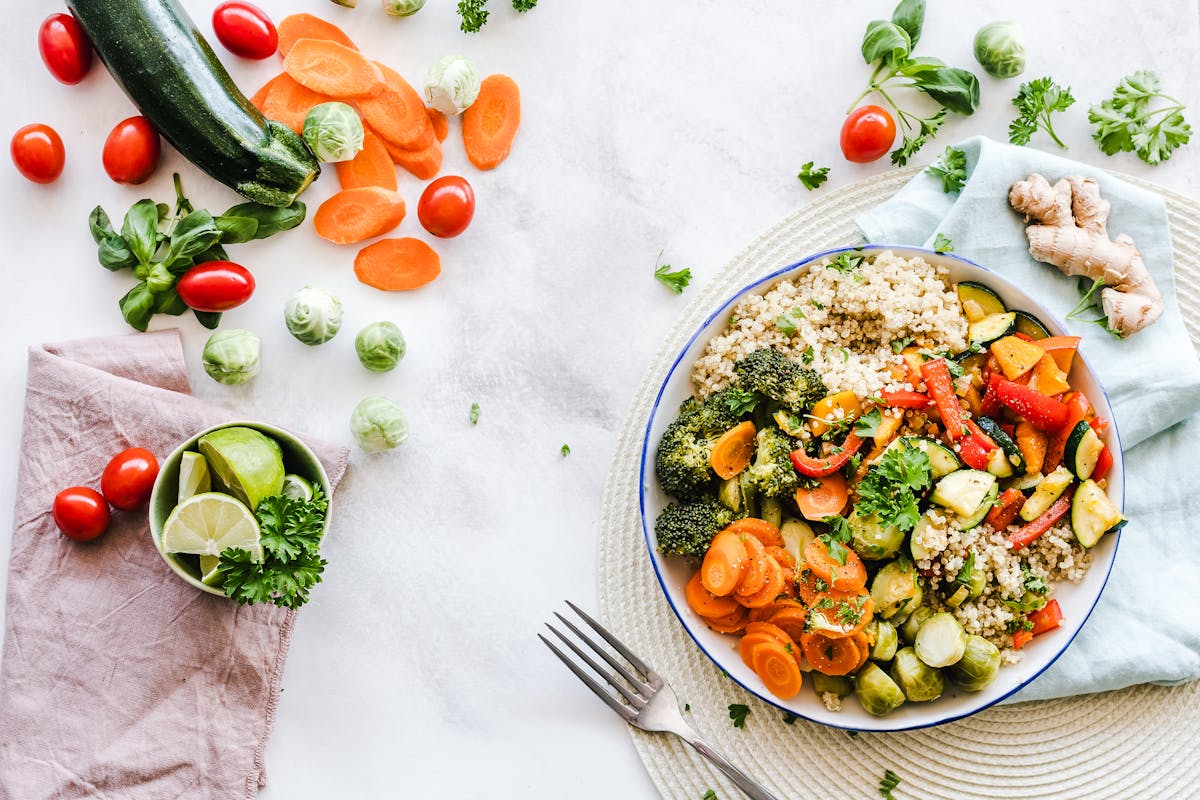
Point your phone camera at your plate of food and an AI nutrition coach tells you the calorie count, macro breakdown, glycemic index, and health score - in under three seconds. This technology is real, used by millions globally, and barely covered by mainstream media.
AI-powered food recognition apps have moved from novelty to functional tool. They work by combining computer vision, food databases containing millions of dishes, and portion estimation models trained on real meal photography. The result is near-instant nutritional data without weighing food or manually logging every ingredient.
This guide covers how food recognition AI works, which apps are most accurate, how well they handle Indian regional cuisines, what they track beyond calories, and what you need to know about your meal data being stored.
How Food Recognition AI Actually Works
An AI nutrition coach app uses computer vision to identify foods in a photo, matches them against a nutritional database, estimates portion sizes from visual cues, and delivers calorie and macro data in seconds - without manual food logging.
Three systems work together when you snap a photo of your meal.
First, a computer vision model - usually a convolutional neural network trained on millions of labeled food images - identifies what is on your plate. It can distinguish between a grilled chicken breast and a chicken tikka, between white rice and brown rice, and between a fried egg and a boiled one.
Second, a food database stores nutritional profiles for every identified item. The best apps have databases with 2–5 million food entries spanning global cuisines, branded products, and restaurant menu items. The accuracy of the nutrition output depends directly on how comprehensive and up-to-date this database is.
Third, a portion estimation model tries to determine how much food is on the plate. This is the hardest problem. Some apps use reference objects (like the size of your hand in frame), others use depth estimation, and the most advanced use 3D reconstruction from a single image. Portion estimation is where most errors occur.
Top AI Nutrition Apps in 2026
SnapCalorie
SnapCalorie is among the most technically sophisticated food AI apps available. It uses a multi-angle photo system - you photograph your meal from above and from the side - to build a rough 3D model for more accurate portion estimation. Independent testing has shown SnapCalorie achieves within 15% of actual calorie counts for most standard dishes, which is competitive with hand-logging by non-professionals.
LogMeal
LogMeal focuses on international food recognition accuracy. It covers over 1,500 dish categories across European, Asian, American, and Middle Eastern cuisines. The app's API is also used by food service companies and hospital dietitian systems to automate patient nutrition tracking. For users outside North America, it often outperforms apps trained primarily on US food data.
Calorie Mama AI
Calorie Mama uses Clarifai's food recognition AI and has one of the largest food databases among consumer apps. It performs well for packaged foods and branded items due to barcode scanning integration alongside its camera-based recognition. The camera recognition for restaurant dishes is accurate for major fast food chains but less reliable for home cooking.
Noom AI
Noom has integrated AI coaching alongside food logging. Its food recognition is not the most technically advanced, but its strength is behavioural - the app uses AI to identify your eating patterns, emotional triggers, and habit loops, then delivers personalized coaching messages. Users who want accountability and behaviour change in addition to calorie data often rate Noom highly for sustained results.
Google Lens Nutrition
Google Lens now surfaces nutritional information for recognized dishes in search results. It does not log or track - it is a lookup tool - but its food recognition covers an enormous range of dishes due to Google's image training scale. Useful for quick checks before eating at a restaurant, not for systematic tracking.
Lark Health
Lark combines AI nutrition coaching with diabetes prevention and management. Its food AI is linked to blood glucose guidance, making it particularly useful for users with prediabetes or type 2 diabetes who need to understand the glycemic impact of meals, not just calorie counts.
Accuracy - How Good Is It Really?
Independent academic studies put the best AI food recognition apps at roughly 85–92% accuracy for food identification (getting the right dish) on standard Western foods. The harder problem is portion estimation, where errors of 20–30% are common even in top apps.
For mixed dishes - stews, curries, casseroles - accuracy drops because the AI cannot see individual ingredients hidden within the dish. Apps handle this by asking users to confirm or adjust ingredients after the initial recognition, which adds logging friction but improves accuracy.
What AI Nutrition Apps Track Beyond Calories
The most advanced apps in 2026 go well beyond calories and macros.
- Glycemic index and glycemic load - how much and how fast a meal will raise blood sugar. Critical for diabetic and prediabetic users.
- Inflammatory score - a composite index rating foods on their tendency to promote or reduce chronic inflammation, based on research linking diet to inflammatory markers.
- Micronutrient tracking - vitamins (A, B12, C, D, K), minerals (iron, calcium, zinc, magnesium), and fibre across the day.
- Meal timing patterns - identifying intermittent fasting windows, late-night eating habits, and meal frequency.
- Nutrient gaps - flagging consistent deficiencies over weeks of tracking and suggesting food adjustments.
Integration with Wearables and Health Apps
The most useful nutrition AI setups link food data with wearable sensor data. Apple Health and Google Fit act as central hubs - nutrition apps write meal data, and wearables contribute activity, heart rate, and sleep data. Some CGM (continuous glucose monitor) users integrate their glucose readings alongside meal logs to see precisely which foods cause spikes in their specific physiology.
Lark and January AI are examples of apps that combine food camera AI with CGM integration, giving users a real-time picture of how each meal affects their blood glucose. This type of personalised metabolic data was previously available only in clinical settings. For more on how AI wearables are expanding health monitoring, read our guide on AI sleep analysis and health wearables 2026.
The Indian Food Challenge
India's culinary diversity creates a genuine technical challenge for AI nutrition apps. The country has hundreds of distinct regional cuisines, each with local variations in ingredients, cooking methods, and spice profiles. A biryani in Hyderabad has a very different nutritional profile from a biryani in Lucknow. A South Indian sambar from Tamil Nadu differs nutritionally from a Karnataka version.
Most Western-developed AI nutrition apps perform poorly on Indian regional foods. Idli, dosa, upma, and puri are now recognized by most major apps. But dishes like pongal, kozhukattai, thekua, or dal baati churma - regional staples with millions of daily consumers - are frequently misidentified or missing from databases entirely.
HealthifyMe and its AI-powered tier HealthifyPro are currently the strongest options for Indian users, with databases that include thousands of regional dishes and the ability to log custom recipes by ingredient. The app also integrates with Indian smartwatches and fitness bands common in the market. India-focused apps still lag on portion estimation accuracy for mixed dishes but lead on recognition breadth for the local market.
Privacy and Your Meal Data
Food tracking apps collect detailed behavioural and health data. Your meal photos, timing patterns, calorie intake, and health conditions (if entered) create a comprehensive profile. This data is valuable - both to health researchers and to health insurance companies.
Key questions to ask before using any nutrition app: Does the company sell or share anonymized data with third parties? Can your employer's health insurance program access your tracked data through a wellness program integration? Is your data deleted if you close your account?
Most consumer nutrition apps anonymize and aggregate data before sharing with research partners. However, apps integrated into employer wellness programs or health insurance discount schemes often have more permissive data sharing terms. Read the privacy policy specifically for any clauses about health insurance or employer access before enrolling in such programs.
AI Nutrition Apps Compared - Features & Accuracy
| App | Food ID Accuracy | Indian Food Support | Tracks Beyond Calories | Price |
|---|---|---|---|---|
| SnapCalorie | ~90% (Western foods) | Limited | Macros, micronutrients | Free / $9.99/mo |
| LogMeal | ~87% (international) | Moderate | Macros, allergens | Free / $6.99/mo |
| Calorie Mama | ~85% | Limited | Macros, barcodes | Free / $4.99/mo |
| Noom AI | ~82% | Basic | Macros + behaviour coaching | $70/mo |
| HealthifyMe Pro | ~88% (Indian foods) | Excellent | Macros, GI, coaching | ₹999–₹2,499/mo |
| Lark Health | ~84% | Limited | Macros, blood glucose, diabetes | Employer / insurance |
AI nutrition coaching is one part of a broader trend of AI entering personal health. For a related look at how AI monitors your health while you sleep, see our article on AI sleep analysis wearables 2026. And for businesses looking to automate customer engagement around health and wellness products, our digital marketing services cover AI-driven customer journeys end to end.