
AI Nurse Assistant: Reducing Documentation Burden on Frontline Staff
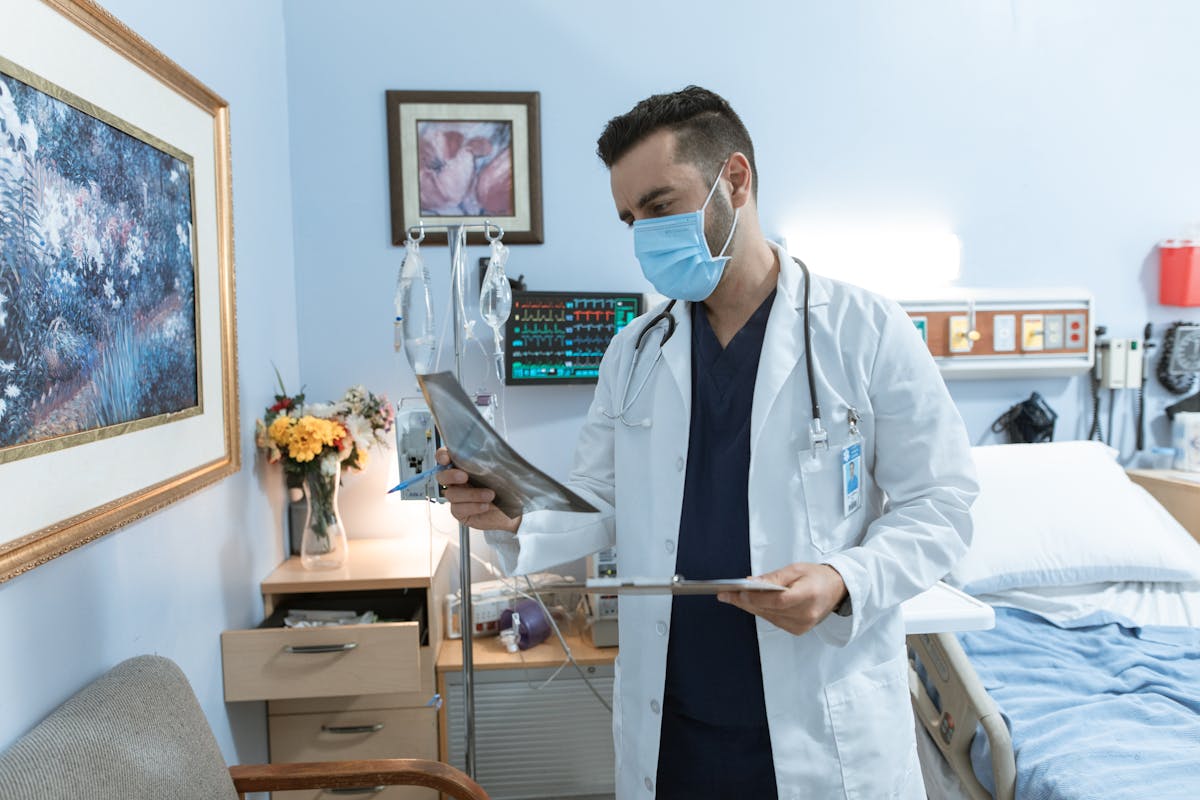
A nurse on a busy 12-hour ward shift spends, on average, between 3 and 5 hours of that shift on documentation. Nursing assessments, medication records, vital sign entries, care plan updates, handover notes, incident reports, wound care documentation. None of it is optional. All of it is necessary for safe, accountable patient care. But every minute spent typing at a computer workstation is a minute not spent at the bedside.
The global nursing shortage is one of the most serious problems in healthcare. WHO estimates a shortage of 5.9 million nurses worldwide. In India, the deficit is 2.4 million nurses against the requirement. Hospitals cannot hire their way out of this problem quickly enough. But they can make the nurses they have significantly more effective by eliminating the hours per shift consumed by administrative tasks that AI can now handle automatically.
AI nurse assistants are software systems that automate or dramatically accelerate clinical documentation using voice recognition, ambient listening technology, and natural language processing. They do not replace nursing judgment or clinical skill. They eliminate the data entry burden that has turned nurses into part-time typists, giving them back the time to do the work only humans can do: be present with patients.
What Is an AI Nurse Assistant?
An AI nurse assistant uses voice recognition, ambient listening, and natural language processing to convert clinical assessments, patient observations, and care activities into structured EHR documentation automatically. Nurses speak naturally during patient care; AI handles the documentation in the background. The result is a 40-70% reduction in manual documentation time per shift.
To understand why this matters, consider what documentation actually means in a modern hospital ward. After every patient assessment, a nurse must enter structured data: vital signs, pain score, neurological assessment, skin integrity check, fall risk assessment, nutrition status, pressure injury risk score, medication administration confirmation, and narrative notes describing the patient's condition and any changes since last assessment. For a ward nurse managing eight patients on a standard shift, this adds up to dozens of separate data entry events per shift.
Each individual entry takes 2-5 minutes. Cumulatively, this is 3-5 hours of a 12-hour shift spent at a computer. Studies from the UK, USA, and Australia consistently show nurses spend more than one-third of their working time on documentation rather than direct patient care. At the same time, patient-to-nurse ratios are being stretched as the nursing shortage worsens. The result: less time with patients, more time typing, and nursing staff who entered the profession to care for people spending their days as data entry clerks.
The Documentation Burden: By the Numbers
- Vital signs for 8 patients x 3 rounds = 24 entries
- Medication administration records = 35-60 individual drug entries
- Nursing assessment notes (intake, neuro, skin, falls risk) = 8 structured forms
- Pain reassessment entries = 15-20 entries
- Fluid balance charts = 8 patients, updated hourly
- Handover notes = 8 patient summaries
- Incident reports, escalation documentation = variable
Total typing time: 3-5 hours out of 12. That is 25-42% of the entire shift.
This is not a new problem, but it has been made dramatically worse by the shift to electronic health records. Paper nursing notes were faster to write and required less structured data entry. EHR systems, while essential for continuity and safety, require structured data entry with mandatory fields, dropdown selections, and specific data formats that take far longer than free-text writing. The time cost of EHR documentation has increased nursing documentation burden by an estimated 30-40% compared to paper records, without any corresponding increase in clinical value.
How AI Documentation Tools Work
Voice-to-EHR Direct Entry
The simplest AI documentation tool is voice recognition that understands clinical language and maps spoken words to structured EHR fields. A nurse says "Blood pressure one twenty over seventy-eight, heart rate eighty-two, temperature thirty-seven point one, SpO2 ninety-seven percent" and the AI recognizes this as a vital signs entry and populates all four fields in the EHR simultaneously, without the nurse touching a keyboard.
This sounds simple, but clinical voice recognition is genuinely hard. Medical terminology is vast and highly specific. Drug names are easily confused ("Doxazosin" vs "Doxorubicin" are completely different drugs). Abbreviations are context-dependent ("PE" means pulmonary embolism on a medical ward and pelvic examination in gynecology). Modern clinical NLP engines trained on millions of clinical documents handle this with high accuracy, but deployment requires training and calibration to local terminology, prescribing patterns, and documentation workflows.
Ambient Listening and Automatic Note Generation
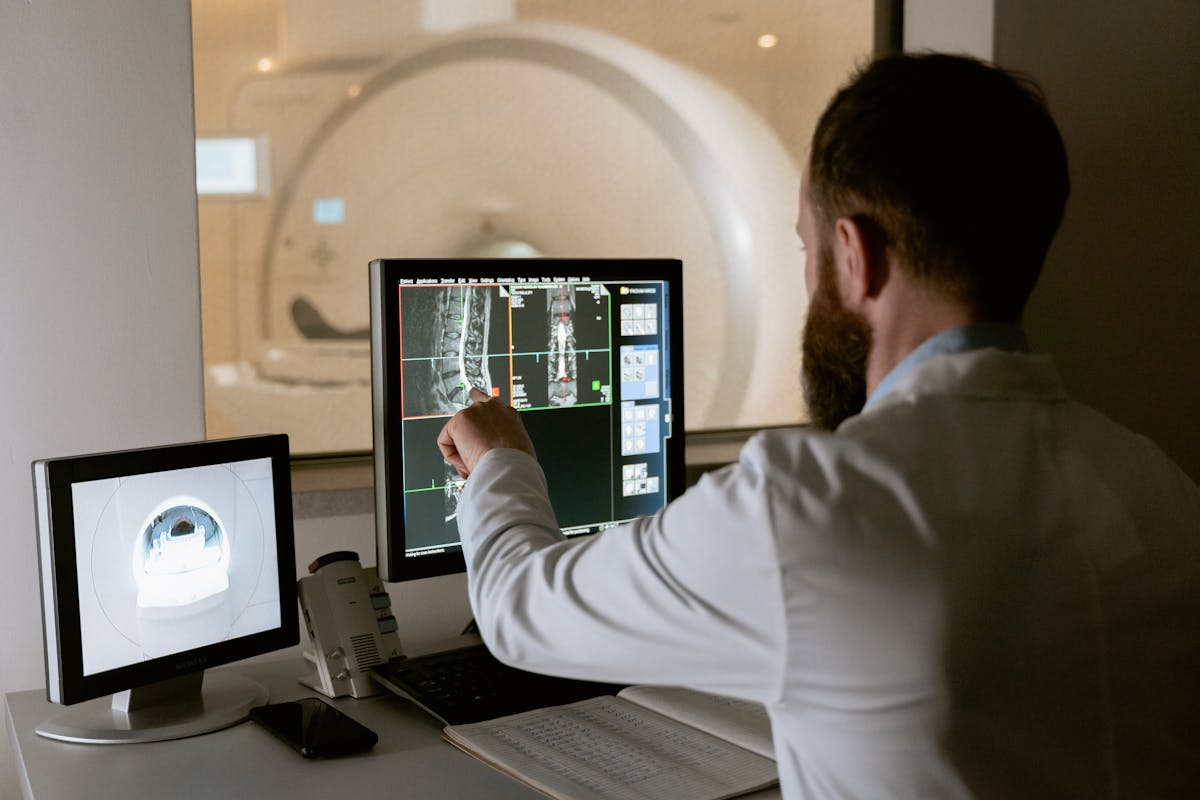
The more advanced approach is ambient clinical AI. The nurse conducts a patient assessment normally, speaking to the patient, asking questions, explaining care, and providing treatment. A small microphone or the nurse's smartphone captures the entire conversation. AI processes it in real time, identifies the clinical content, structures it into the appropriate EHR format, and presents a draft note for the nurse to review and approve before it is entered into the permanent record.
Microsoft's DAX (Dragon Ambient eXperience) Copilot and Nuance's ambient clinical AI are the most widely deployed examples of this technology. At Kaiser Permanente in the USA, nurses using DAX ambient documentation saved an average of 90 minutes per 12-hour shift on EHR entries. Across a 500-nurse hospital, that is 750 hours of nursing time per shift returned to direct patient care. This is equivalent to hiring 62 full-time nurses without any additional salary cost.
AI Handover and Shift Report Generation
One of the highest-risk moments in hospital care is the nursing handover, when the departing nurse transfers patient care responsibility to the incoming nurse. Handover communication failures are implicated in 80% of serious adverse events in hospitals. Poor handovers result in missed critical information: the patient who developed new chest pain that was not mentioned, the blood result that came back abnormal but was not flagged, the family's concern that was not passed on.
AI handover tools analyze the complete patient record across the shift and generate a structured handover summary covering active problems, recent changes in condition, outstanding results, pending actions, and care priorities. The AI draft ensures nothing is missed, even during a rushed end-of-shift handover under time pressure. Nurses review and add context to the AI-generated summary, but the structural completeness is guaranteed by the AI covering every documented data point, not relying on the nurse's memory of an exhausting shift.
Before vs After: What Changes in the Nurse's Day
After each patient assessment, walk to workstation, log into EHR, navigate to correct patient, enter vitals in individual fields, write narrative assessment note (5-10 minutes per patient), repeat for 8 patients. Handover: write notes from memory at end of exhausting shift. Miss a detail about Patient 3 because it was 10 hours ago. Finish 30 minutes late.
Speak vitals during assessment. AI enters them. Speak observations while examining patient. AI generates structured note. Review and approve note in 45 seconds. Move to next patient. Handover: AI has generated a complete draft summary of all 8 patients. Review, add context, done. Leave on time. 90 minutes of the shift returned to bedside care.
AI for Medication Reconciliation and Safety Checks
Beyond documentation, AI nurse assistants are expanding into medication safety support. Medication errors are the leading cause of preventable harm in hospitals globally, responsible for an estimated 237,000 deaths annually in WHO member states. Most medication errors occur at the prescribing-to-administration interface: wrong dose, wrong route, wrong drug name, missed allergy check, interaction not flagged.
AI medication reconciliation tools cross-reference prescribed medications against the patient's known allergies, current renal and hepatic function (which affect safe dosing), and interactions with all other current medications at the point of prescription and again at the point of nursing administration. When a nurse scans a medication barcode for administration, the AI checks all three of these factors in real time and alerts to any concern before the medication is given, not after.
At Boston Children's Hospital, an AI medication safety system reduced adverse drug events by 44% and near-miss medication errors by 59% over a three-year deployment period. The system did not add time to the nurse's medication administration workflow. It added 8 seconds of AI processing per scan, with an alert appearing only when a genuine concern was identified, keeping false alert rates low enough that nurses trusted and responded to the system.
AI for Nurse Burnout: The Hidden Crisis
Nursing burnout is at crisis levels globally. Post-pandemic surveys show 40-50% of nurses report burnout symptoms, with documentation burden consistently cited as one of the top three contributing factors. Nurses report feeling they became nurses to care for patients and find themselves spending more time caring for the EHR than for people. This is a moral injury as much as an occupational health problem.
AI documentation tools address burnout not just by reducing time pressure but by restoring the fundamental nature of the nursing role. When documentation becomes frictionless, nurses can be present with patients rather than mentally composing their next EHR entry. Studies measuring job satisfaction among nurses using AI documentation tools show significant improvements in reported sense of purpose, perceived quality of care provided, and intention to remain in the nursing profession.
At a time when hospital administrators face a nursing retention crisis where experienced nurses are leaving the profession at alarming rates, AI documentation tools are increasingly being positioned as part of the retention strategy, not just the efficiency strategy. A nurse who stays five years longer in the profession because the job became more humane with AI support is worth far more than the cost of the AI system.
AI Nurse Assistants in India: Current State
India's nursing workforce faces compounding pressures: staff shortages, high patient-to-nurse ratios, and EHR systems that are rapidly being adopted by private hospital chains but bring documentation burdens similar to those experienced globally. Apollo, Fortis, and Narayana Health have deployed EHR systems across their networks, and nurses at these hospitals now face the same documentation time drain as their counterparts in the USA and UK.
HealthPlix, an Indian clinical AI company, has deployed AI clinical documentation support to over 100,000 doctors in India, primarily in outpatient settings, with hospital ward nursing documentation tools in active development. 3M M*Modal's clinical language understanding platform has Indian language pilot programs in development for Hindi and Tamil documentation, addressing the challenge that many nurse-patient interactions in Indian hospitals occur in local languages rather than English.
The challenge in India is the EHR infrastructure prerequisite. AI documentation tools require a functional, connected EHR system to write to. Many government hospitals and smaller private facilities still use paper records or fragmented legacy systems. Deploying AI documentation meaningfully requires either EHR investment first, or AI tools designed to work with structured paper forms as an intermediate step.
Leading AI Nurse Assistant Tools
| Tool | Developer | Primary Feature | Evidence |
|---|---|---|---|
| DAX Copilot | Microsoft/Nuance | Ambient clinical documentation | 90 min saved/shift at Kaiser |
| Suki AI | Suki | Voice-to-EHR for clinical notes | 76% documentation time reduction |
| Aiva Health | Aiva | Voice AI for patient and nurse communication | Deployed in 100+ US hospitals |
| HealthPlix AI | HealthPlix (India) | AI clinical documentation for doctors and nurses | 100,000+ clinicians on platform |
| Medscape AI Assist | WebMD Health | AI clinical decision support + documentation | Used in 130+ countries |
Limitations and Concerns
- Accuracy in noisy environments: Hospital wards are noisy. AI voice recognition accuracy drops in environments with multiple simultaneous conversations, equipment alarms, and background noise. Quiet room conditions or directional microphones improve performance substantially.
- Privacy and consent: Ambient listening in patient rooms requires explicit patient consent. Many patients, particularly elderly or vulnerable patients, may not fully understand what they are consenting to when ambient AI is recording their clinical encounter.
- Language limitations: Most current AI documentation tools were built for English-language clinical workflows. Indian language support is limited and improving slowly. This restricts deployment in settings where clinical communication occurs primarily in regional languages.
- AI error review requirement: AI-generated notes require nurse review before finalization. If this review step is skipped under time pressure, AI errors enter the permanent record. Training and workflow design must ensure the review step is maintained even during busy periods.
- Dependency and skill atrophy: Nurses who rely heavily on AI documentation may lose proficiency in manual documentation needed during system outages. Backup workflows must be maintained and practiced regularly.
Growing a Hospital, Healthcare SaaS, or Nursing Technology Company?
At Mayank Digital Labs, we build performance marketing and digital acquisition systems for healthcare companies, hospital networks, and health technology platforms. SEO, Google Ads, and AI automation built for healthcare.
No commitment. Just a 30-minute call to see how we can help.
Frequently Asked Questions
What is an AI nurse assistant?
An AI nurse assistant uses voice recognition, ambient listening, and natural language processing to convert clinical assessments and patient observations into structured EHR documentation automatically. Nurses speak naturally during care; AI handles the data entry. The result is a 40-70% reduction in manual documentation time per shift.
How much time does AI save nurses on documentation?
Nurses currently spend 25-40% of shifts on documentation. AI tools reduce this by 40-70%. At Kaiser Permanente, ambient AI documentation saved nurses 90 minutes per 12-hour shift. Across a 500-nurse hospital, that returns 750 nursing hours per shift to direct patient care - equivalent to hiring 62 additional nurses.
Does AI documentation compromise accuracy?
When implemented correctly, AI documentation improves accuracy. AI captures complete assessment content consistently without omissions from time pressure. Nurses review and approve AI-generated notes before finalization, maintaining clinical accountability. Boston Children's saw a 44% reduction in adverse drug events with AI medication safety checks.
What is ambient clinical AI?
Ambient clinical AI passively listens to clinical conversations and automatically generates structured documentation from them. The nurse conducts the patient assessment normally without interrupting to type. The AI transcribes, structures, and prepares the documentation for nurse review and approval, then enters it into the EHR.
Is AI nurse assistant technology available in India?
Yes. HealthPlix AI supports over 100,000 Indian clinicians with AI documentation tools. 3M M*Modal is developing Indian language support. Apollo and Manipal hospitals are piloting ambient documentation tools. Government hospital deployment requires EHR infrastructure investment as a prerequisite.