
AI Infection Control: Predicting Hospital-Acquired Infections Before They Spread
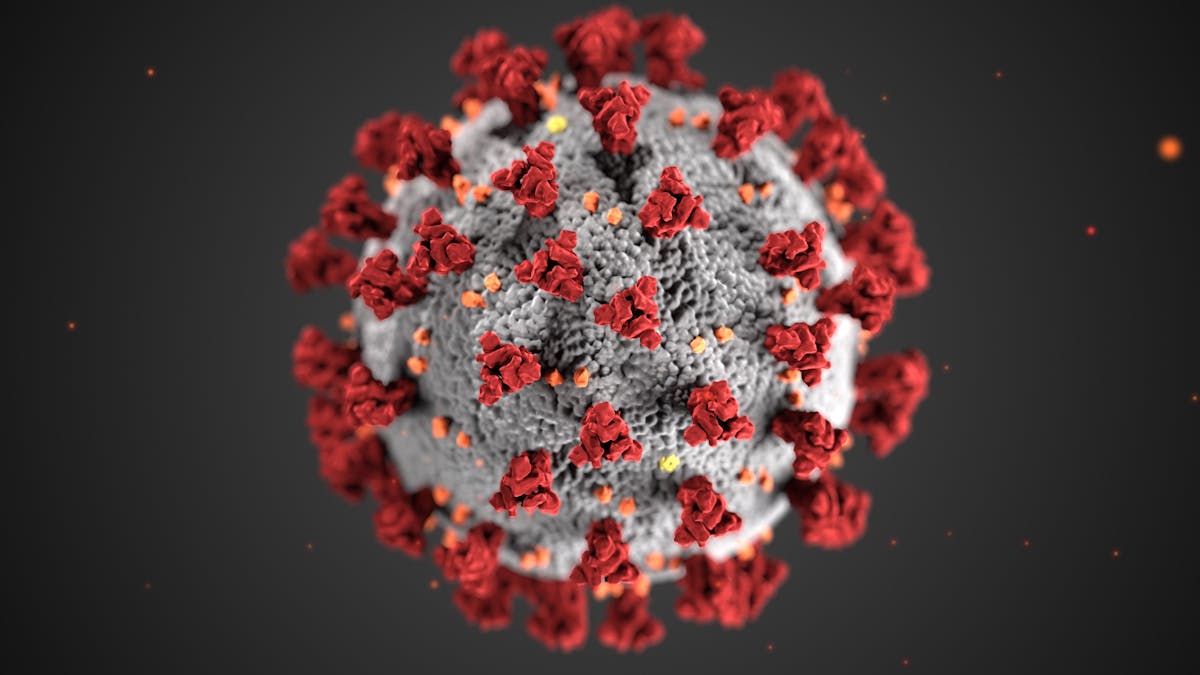
A patient enters hospital for a routine hip replacement. The surgery goes perfectly. Four days into recovery, they develop a fever. Blood cultures grow MRSA, a methicillin-resistant Staphylococcus aureus. They spend another three weeks in hospital on intravenous antibiotics, their recovery set back by six months. They did not arrive with MRSA. They acquired it inside the hospital.
Hospital-acquired infections (HAIs) are one of the most preventable causes of patient harm in healthcare. Globally, 1 in every 31 hospitalized patients develops an infection they did not have when they arrived. In India, the rate is higher: studies suggest 3-5% of all hospital admissions result in a healthcare-associated infection, translating to millions of affected patients annually. HAIs kill more patients per year than road accidents. They cost India's healthcare system billions of rupees in extended stays, additional treatments, and lost productivity.
AI infection control is changing this by doing something traditional infection control programs cannot: monitoring every patient, on every ward, simultaneously, updating infection risk scores in real time as conditions change, and alerting the infection control team to high-risk situations hours or days before an infection would become clinically obvious.
What Are Hospital-Acquired Infections?
Hospital-acquired infections (HAIs), also called healthcare-associated infections, are infections patients develop during a hospital stay that were not present or incubating at admission. They are caused by bacteria, viruses, fungi, or parasites that spread within the hospital environment, often from contaminated equipment, surfaces, or the hands of healthcare workers.
The four most common and most dangerous HAI types have their own names because they are so prevalent they warrant specific prevention protocols:
- CAUTI (Catheter-Associated Urinary Tract Infection): The most common HAI. Every day a urinary catheter remains in place, the infection risk grows by 5%. Many are left in longer than clinically necessary simply because no one specifically reviewed whether they still needed them.
- CLABSI (Central Line-Associated Bloodstream Infection): Bacteria enter the bloodstream through a central venous catheter. Mortality rate of 12-25%. Cost per case in India: Rs. 1.5-3 lakh in additional treatment.
- VAP (Ventilator-Associated Pneumonia): Develops in patients on mechanical ventilation. Mortality 25-50% in ICU settings. Prolongs ventilation and ICU stay by an average of 7-10 days.
- CDI (Clostridioides difficile Infection): A bacterial infection of the gut triggered by antibiotic disruption of normal gut flora. Increasingly antibiotic-resistant. Can cause life-threatening colitis. Spread person-to-person via spores that survive on surfaces for months.
The WHO estimates that at any given time, 7% of patients in high-income countries and 15% in low- and middle-income countries have at least one healthcare-associated infection. In India specifically, a 2022 multi-centre study across 20 hospitals found HAI rates of 4.4 per 100 admissions, with ICU rates five times higher than general ward rates. Drug-resistant organisms including MRSA, ESBL-producing bacteria, and carbapenem-resistant Klebsiella were responsible for over 40% of all identified HAIs.
How AI Predicts Infections Before They Occur
Think of AI infection control as a surveillance system that never sleeps and processes far more data streams than any human infection control nurse could track simultaneously.
Individual Patient Risk Scoring
Every admitted patient has a set of infection risk factors that AI models learn to weight and combine. These include immunosuppression status (chemotherapy, steroids, HIV, organ transplant), recent antibiotic exposure (which selects for resistant organisms), diabetes and obesity (impair wound healing and immune response), age, recent procedures (surgery, endoscopy, central line insertion), and length of stay (risk accumulates with time).
AI combines these into a continuously updated individual risk score. But it goes beyond simple risk factor checklists. It learns which combinations of factors multiply risk non-linearly. Diabetes alone raises CAUTI risk by a modest factor. Diabetes combined with immunosuppression, a urinary catheter in place for more than three days, and recent broad-spectrum antibiotic use raises CAUTI risk by an order of magnitude. A human infection control nurse tracking 400 patients manually cannot maintain this multi-factor calculation for every patient in real time. AI does it automatically.
Device Exposure Tracking
Catheters, central lines, and ventilator circuits are the primary physical vectors through which HAIs enter patients. Every hour these devices remain in place, infection risk grows. AI systems integrate with the EHR to track device insertion dates and automatically flag when a device has been in place beyond the evidence-based safety window for that patient's risk profile.
At Vanderbilt University Medical Center, an AI system that automatically alerted physicians when a urinary catheter was no longer meeting specific clinical criteria for continuation reduced CAUTI rates by 41% over 18 months. The AI did not remove catheters. It flagged them for clinical review, making inaction a conscious choice rather than an oversight.

Microbiological Surveillance and Outbreak Detection
Traditional infection surveillance involves an infection control nurse reviewing culture results, flagging resistant organisms, and tracing contacts manually. For a 500-bed hospital, this might mean reviewing 50-100 culture reports per day across all wards. Patterns emerge slowly. By the time a cluster is identified, multiple patients may already be colonized or infected.
AI surveillance systems analyze microbiology culture data in real time across all wards simultaneously. They detect statistically unusual clustering of identical organisms: three Klebsiella isolates from the same ICU bay within a week, all with the same antibiogram pattern, is a statistically significant cluster that warrants investigation for a common source. Without AI, this pattern might take days to identify as an infection control nurse manually traces individual results. With AI, the alert fires within hours of the third positive culture.
Advanced systems combine culture data with genomic sequencing data from whole-genome sequencing (WGS) of bacterial isolates. WGS can determine whether two MRSA isolates are genetically identical (indicating patient-to-patient transmission) or distinct (indicating separate acquisition events). AI analysis of WGS data enables real-time construction of transmission networks showing exactly which patients likely transmitted the organism to which other patients, through which ward movements and contact events.
AI for Antimicrobial Stewardship
One of the greatest drivers of HAI severity is antibiotic resistance. Over-prescription of broad-spectrum antibiotics selects for resistant organisms, making future infections harder to treat. AI antimicrobial stewardship (AMS) tools analyze a patient's culture results, local hospital antibiogram data (which organisms are resistant to which antibiotics in that specific hospital), and clinical presentation to recommend the narrowest-spectrum antibiotic that is likely to be effective.
This is more complex than it sounds. The correct antibiotic for a given infection depends on the likely causative organism, the local resistance patterns for that organism, the patient's prior exposure to antibiotics, their renal and hepatic function (which affect drug metabolism), and drug interactions with other medications. AI can integrate all of these simultaneously to generate a recommended antibiogram-guided therapy that a busy physician prescribing from memory or habit may not reach.
IQVIA's antimicrobial decision support tool and Epic's antibiotic stewardship module are deployed in hundreds of hospitals globally. At Johns Hopkins, an AI AMS intervention reduced broad-spectrum antibiotic use by 23% without increasing clinical failure rates, and reduced carbapenem use specifically by 31%, directly reducing the selection pressure for carbapenem-resistant organisms.
AI Hand Hygiene Monitoring: Fixing the Simplest Problem at Scale
Here is an uncomfortable fact: handwashing before touching a patient is the single most effective infection control intervention known. Healthcare workers' compliance with hand hygiene protocols in hospitals globally averages 40-60%. In busy periods, it drops further. This is not negligence. It is human psychology: when you are rushing between a deteriorating patient and an urgent procedure, stopping to wash your hands for 20 seconds feels like friction that slows critical care.
AI hand hygiene monitoring systems address this with real-time feedback. Camera-based systems use computer vision to detect whether a healthcare worker cleaned their hands before entering and after exiting a patient room. Sensor-based systems use proximity detectors at room entries and sanitizer dispenser sensors to track whether the worker used the dispenser before entering.
Hospitals using AI hand hygiene monitoring report compliance rates increasing from a baseline of 45-60% to 75-90% within 6-12 months of deployment. The improvement comes primarily from the accountability effect: staff know their compliance is measured, which changes behavior. Systems that provide real-time individual feedback, such as a light signal at room entry indicating whether the worker cleaned their hands, rather than retrospective ward-level reporting, produce the strongest compliance improvements.
AI Infection Control in India: The Resistance Crisis Context
India faces an antimicrobial resistance (AMR) crisis that gives AI infection control particular urgency. India is one of the world's largest consumers of antibiotics, and a significant proportion of hospital-acquired infections in Indian hospitals involve organisms resistant to multiple drug classes. Carbapenem-resistant Enterobacterales (CRE), MRSA, and multidrug-resistant Acinetobacter are endemic in many Indian tertiary care hospitals.
The problem is compounded by infrastructure challenges: hand hygiene compliance is difficult to monitor at scale in facilities with high patient-to-staff ratios. Microbiology culture capacity is limited outside major centres. Whole-genome sequencing for outbreak investigation is not yet routine outside research institutions.
AI infection control tools designed for Indian conditions must address these infrastructure constraints. Hansa Medcell and several Indian healthcare IT companies are developing AI infection surveillance tools that work with the limited, often delayed microbiology data available in typical Indian hospital settings, using clinical and demographic risk factors rather than real-time culture data as the primary surveillance signal.
The National Centre for Disease Control (NCDC) in India runs a hospital infection surveillance network. AI analysis of this surveillance data is being piloted to identify facility-level outliers with higher-than-expected HAI rates, enabling targeted inspection and improvement programs. This population-level surveillance application of AI, identifying which of hundreds of hospitals needs investigation, is a scalable first step before bedside AI risk scoring becomes feasible across India's diverse healthcare infrastructure.
Measuring the Impact: What the Evidence Shows
| Intervention | HAI Type Targeted | Reduction Achieved | Study/Source |
|---|---|---|---|
| AI catheter review alerts | CAUTI | 41% reduction | Vanderbilt VUMC 2022 |
| AI sepsis early warning | Hospital-onset sepsis | 18-25% mortality reduction | Multiple prospective trials |
| AI hand hygiene monitoring | All contact-transmitted HAIs | 30-45% compliance improvement | Multi-hospital studies 2021-2024 |
| AI AMS intervention | Resistant organism HAIs | 23-31% reduction in broad-spectrum use | Johns Hopkins 2023 |
| AI outbreak detection (WGS) | MRSA and drug-resistant clusters | Cluster identified 3-7 days earlier | UK NHS genomics surveillance |
Limitations and Challenges
- Data quality dependency: AI infection control models are only as good as the data feeding them. Incomplete device insertion documentation, missing allergy records, or delayed culture entry into the EHR all degrade prediction accuracy.
- Alert fatigue: If AI flags too many patients as high-risk, infection control nurses stop acting on the alerts. Calibrating sensitivity versus specificity to the available human response capacity is a site-specific challenge every institution must solve.
- Privacy in surveillance: AI hand hygiene monitoring and movement tracking raise legitimate staff privacy concerns. Transparent policies, union consultation, and clear agreements about how data is used and aggregated are prerequisites for ethical deployment.
- Resource constraints in India: Many Indian hospitals lack the EHR infrastructure, connectivity, and IT staff to deploy and maintain sophisticated AI infection control systems. Simpler rule-based tools may be the appropriate first step for resource-limited settings.
Marketing a Hospital, Diagnostic Lab, or Healthcare Technology Company?
At Mayank Digital Labs, we build performance marketing systems for hospitals and healthcare companies. SEO, Google Ads, patient acquisition, and AI automation built specifically for the healthcare sector.
No commitment. Just a 30-minute call to see how we can help.
Frequently Asked Questions
What are hospital-acquired infections?
HAIs are infections patients develop during a hospital stay that were not present at admission. The four most common types are CAUTI (catheter urinary tract infections), CLABSI (central line bloodstream infections), VAP (ventilator-associated pneumonia), and C. difficile gut infections. Globally, 1 in 31 hospitalized patients is affected.
How does AI predict hospital-acquired infections?
AI models analyze patient risk factors, device exposure duration, lab trends, procedure history, and ward-level microbiology data to compute individual HAI probability scores that update continuously. They flag high-risk patients for targeted prevention interventions hours or days before clinical infection develops.
How much can AI reduce hospital infection rates?
Studies show AI-assisted infection control reduces HAI rates by 25-41% when combined with targeted prevention protocols. Vanderbilt University cut CAUTI rates by 41%. Johns Hopkins reduced broad-spectrum antibiotic use by 23% using AI stewardship tools, directly reducing resistant organism infections.
Can AI detect antibiotic-resistant organisms before they spread?
Yes. AI systems analyzing culture data and genomic sequencing results identify transmission clusters of MRSA, VRE, and carbapenem-resistant organisms within hours of culture positivity. UK NHS genomic surveillance identifies outbreaks 3-7 days earlier with AI than with manual surveillance methods.
What is AI hand hygiene monitoring?
AI hand hygiene systems use computer vision cameras or proximity sensors to monitor whether healthcare workers clean their hands before and after entering patient rooms. Hospitals report compliance improvements from 45-60% baseline to 75-90% after deployment, directly reducing contact-transmitted HAI rates across the ward.