
AI Dubbing in Hollywood & Bollywood 2026: How Studios Clone Actor Voices
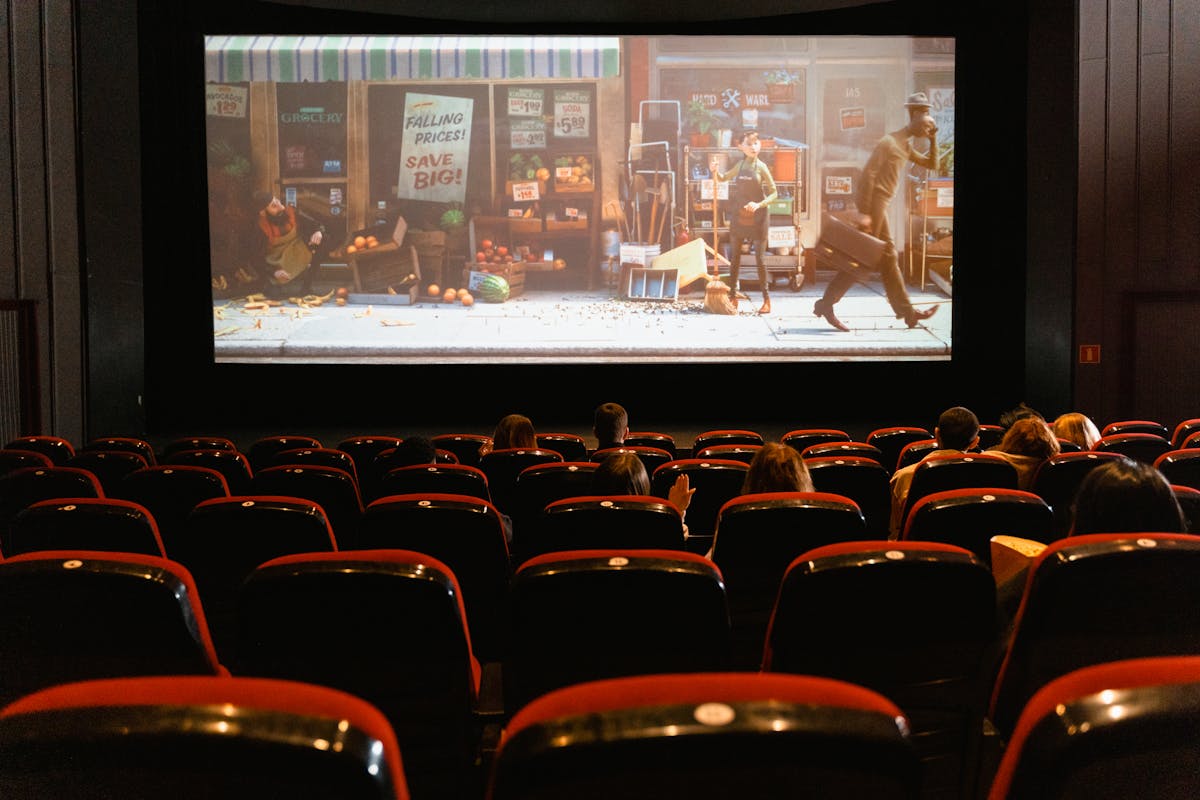
A Marvel actor records their dialogue once in English. Six weeks later, that same voice - same tone, same emotional texture, same speech rhythm - speaks fluent Spanish, Hindi, Japanese, and Portuguese in the film's international release. No separate dubbing sessions. No hired voice actors for each territory. Just AI dubbing working silently in the background.
AI dubbing is the technology that clones an actor's voice using deep learning and uses that clone to deliver translated dialogue in dozens of languages - with lip-sync matched to the original video. As of 2026, it is no longer experimental. Netflix, Disney, and major Bollywood studios have all deployed some form of AI-assisted dubbing at scale.
This article explains how AI dubbing works, which studios are using it, what SAG-AFTRA's consent rules mean in practice, and what the technology means for the thousands of human voice actors who previously dubbed those roles.
How AI Dubbing Works
AI dubbing is a technology that records an actor's voice, trains a machine learning model on that voice's characteristics, then uses the model to generate new speech in any language - preserving the actor's original tone and delivery style. It combines voice cloning, neural text-to-speech, and lip-sync AI to produce dubbed versions of films and shows at a fraction of the traditional cost and timeline.
Traditional dubbing required studios to hire a separate cast of voice actors for every language market. A Hollywood blockbuster releasing in 15 languages meant 15 full dubbing sessions - each with casting, scheduling, studio time, and post-production sync work. For a major release, that process took 3–6 months and cost millions of dollars.
AI dubbing collapses that pipeline into three stages:
- Voice capture: The original actor records their performance. AI models analyze pitch, cadence, breath patterns, and emotional markers from that recording.
- Translation and TTS generation: The script is translated by human translators (or MT + human review). The AI voice model then generates the translated dialogue in the original actor's voice - adjusted for the target language's phonetics.
- Lip-sync matching: A separate AI model adjusts the timing of the generated audio and, in some cases, subtly modifies the actor's mouth movements in the video to match the new audio. This is the technically hardest step.
Companies working in this space include ElevenLabs, Papercup, Deepdub, and Resemble AI. Netflix has invested in its own internal dubbing AI stack, while Amazon Prime Video uses a hybrid of vendor tools and proprietary technology.
Studios Using AI Dubbing: Netflix, Disney, Amazon
Netflix began testing AI-assisted dubbing in 2023 for Spanish and Portuguese markets - primarily for documentary content where lip-sync accuracy is less critical. By 2025, the platform had extended AI dubbing to scripted content in select markets, with human voice actors recording performances that AI then adapts to additional language variants.
Disney used AI dubbing for several Disney+ exclusives releasing simultaneously across Asia-Pacific in 2024. The technology allowed same-day regional releases - something previously impossible given traditional dubbing timelines.
Amazon Prime Video's international expansion strategy relies heavily on AI dubbing for its Indian original content releasing into South Asian diaspora markets. Series produced in Tamil and Telugu reach global Hindi-speaking audiences with AI-generated Hindi dubs delivered within weeks of original production completion.
| Studio / Platform | AI Dubbing Use Case | Languages Covered |
|---|---|---|
| Netflix | Simultaneous international release, documentary + scripted | 15+ languages |
| Disney+ | Asia-Pacific same-day releases | 8+ languages |
| Amazon Prime Video | Indian originals for diaspora markets | Hindi, Tamil, Telugu, Kannada |
| Yash Raj Films | Pan-India regional releases | 6 Indian languages |
| YouTube | Creator dubbing tool (beta) | Hindi, Spanish, Portuguese |
SAG-AFTRA Rules and Actor Consent
The 2023 SAG-AFTRA strike placed AI voice cloning at the center of labor negotiations. Before the strike, studios had begun experimenting with AI voice replicas of actors without explicit consent - in some cases, cloning voices from existing recordings without a new session or additional payment.
The resulting contract established four key protections:
- Written consent required: Studios must obtain explicit written permission before creating an AI replica of any performer's voice or likeness.
- Compensation for AI use: Performers must be paid for any AI-generated use of their voice - not just the original recording session that created the training data.
- Right of approval: Performers have the right to review and approve any AI-generated performance before it is released.
- No posthumous use without estate approval: A deceased actor's voice cannot be cloned without written consent from their estate.
These protections apply to SAG-AFTRA members working under union contracts - primarily US-based productions. International productions and non-union projects operate under different rules, which vary significantly by country.
Lip-Sync AI: The Hardest Problem
Generating a convincing voice in another language is the easier part of AI dubbing. Getting the translated audio to match the actor's lip movements on screen - especially when different languages have different phoneme lengths and mouth shapes - is substantially harder.
Two approaches exist. The first is audio-only dubbing: the AI generates translated audio that roughly matches the original timing, and audiences accept minor lip-sync mismatches the way they have always accepted traditional dubbing. The second is visual dubbing: the AI modifies the actor's mouth area in the video using deepfake-style neural rendering to match the new audio precisely.
Netflix and Disney primarily use audio-only dubbing with timing optimization. Full visual dubbing - where the actor's mouth is digitally altered - is used selectively for hero shots and close-ups where sync mismatch would be most noticeable.
Companies like Flawless AI specialize specifically in visual dubbing, generating photorealistic mouth replacement that passes casual inspection. Their technology, used on several major Hollywood releases, generates mouth movements for translated audio that matches the actor's original facial anatomy and lighting.
Bollywood and Indian Regional Languages
India's film industry faces a language challenge that makes AI dubbing economically compelling in a way that does not exist for US studios. India has 22 constitutionally recognized languages and hundreds of dialects. A film produced in Hindi must be dubbed into Tamil, Telugu, Kannada, Malayalam, Bengali, and Marathi to reach its full potential audience - eight separate dubbing tracks.
Traditional dubbing for eight Indian languages required eight separate casting processes and studio schedules. AI dubbing compresses that to a single AI processing run, with human quality review before release.
Yash Raj Films' pan-India release strategy for Pathaan and Tiger 3 used AI-assisted dubbing for regional variants. Eros Now and ZEE5 have both deployed AI dubbing for their streaming originals releasing across regional markets simultaneously.
The economics are stark. A traditional 8-language dubbing process for a major Bollywood production costs approximately ₹2–4 crore and takes 4–6 months. AI-assisted dubbing for the same project costs ₹20–40 lakh and completes in 3–4 weeks - a 10x reduction in both cost and time.
What Happens to Human Voice Actors
Traditional dubbing employed large communities of specialist voice actors - people who made careers dubbing specific Hollywood stars into their language. The Italian voice of Tom Hanks. The Hindi voice of Will Smith. These were long-term professional relationships built over decades.
AI dubbing directly threatens this category of work. When Netflix uses an AI clone of the original actor's voice, the Italian or Hindi dubbing actor who previously held that role is no longer needed for new productions.
Industry research from the UK's Equity union estimates that AI dubbing could displace 40–60% of traditional dubbing roles within three to five years. The work that remains for human voice actors shifts toward:
- Reviewing and correcting AI-generated performances
- Providing emotional direction for AI voice models
- Performing roles where the original actor has not consented to voice cloning
- Recording original performances that the AI then adapts
For more on how AI is reshaping creative industries, read our analysis of AI job losses across industries in 2026. Understanding these shifts matters for anyone building a creative business - our AI automation services help businesses adapt rather than be displaced.
Ethical Gray Areas
Even with SAG-AFTRA protections in place, several ethical questions remain unresolved.
The "voice estate" problem
When an actor dies, who controls their AI voice replica? Several studios have cloned the voices of deceased actors for posthumous productions - using recordings from existing films as training data. The legal and ethical framework for this is still being established.
Consent under financial pressure
Lower-profile actors - those not at the star level - may feel economic pressure to sign over AI voice rights as part of standard contracts. The power imbalance between a studio and a mid-tier actor makes "voluntary" consent more complicated in practice than on paper.
Deepfake-adjacent territory
When AI dubbing moves from audio-only to visual modification - altering an actor's mouth in post-production - it enters territory that is technically indistinguishable from deepfake video. The distinction between "legitimate AI dubbing" and "unauthorized deepfake" rests entirely on consent, which is not always visible to viewers.